From Roots
We Carry
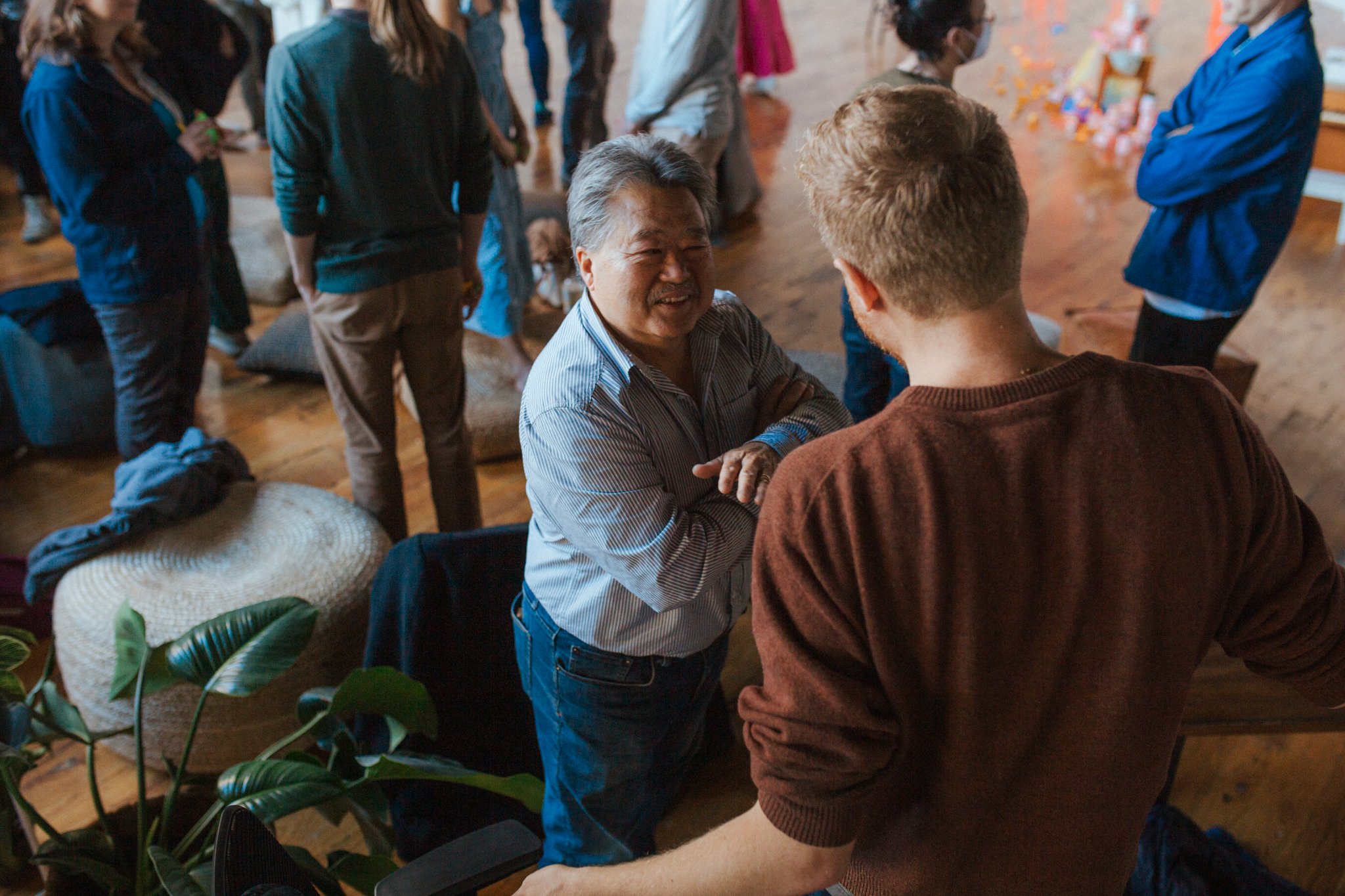
Photo: Victoria Romulo

Photo: Victoria Romulo
“From Roots We Carry” is an installation and performance ritual that explores the complex intergenerational legacies that live inside us.
The installation dances with string and suspension to convey how our memories, dreams, ideas, and traumas intermingle, and are passed through familial bonds as inheritance. Fabric obscures areas of the installation just as our own anxieties and insecurities are often hidden from our conscious minds. Condensed milk cans suspended and stacked represent both the gifts given to us by our ancestors and the heights and weight of those expectations we feel obligated to reach. Floating colorful rattan baskets play with themes of porous and imporous, holding material yet prone to leaks. They are a metaphor for our consciousness, an ever-evolving sieve for our experiences—some things are captured, some things pass through.
Adapted into a performance ritual that has toured nationally, listeners learn about the legacies and stories that become a part of us, and are invited to reflect on all that they are carrying and what they will choose to let go.
This work was a collaboration with multidisciplinary artist Amanda Phingbodhipakkiya, supported by Chamber Music America Artistic Projects.
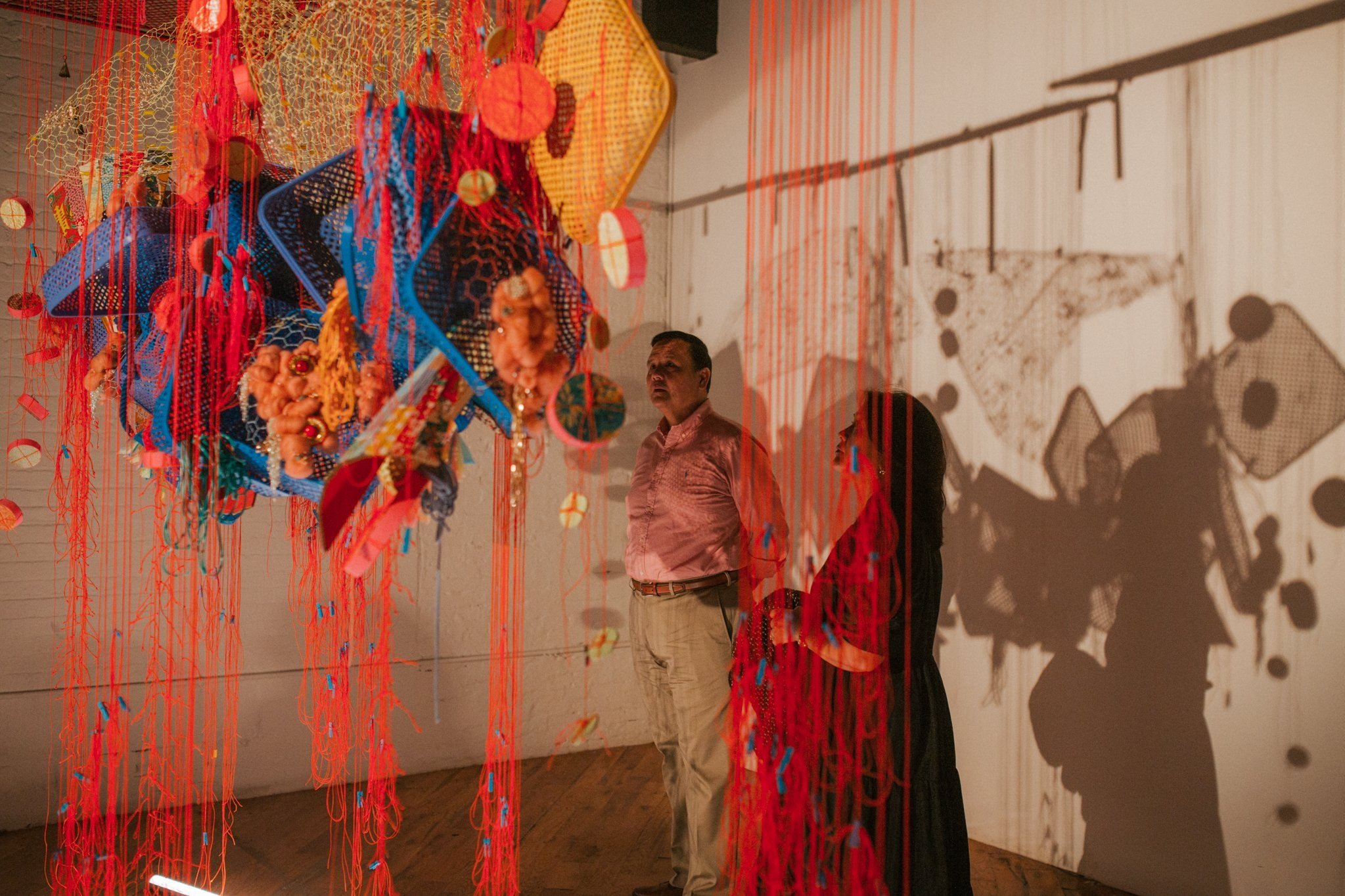
Photo: Victoria Romulo
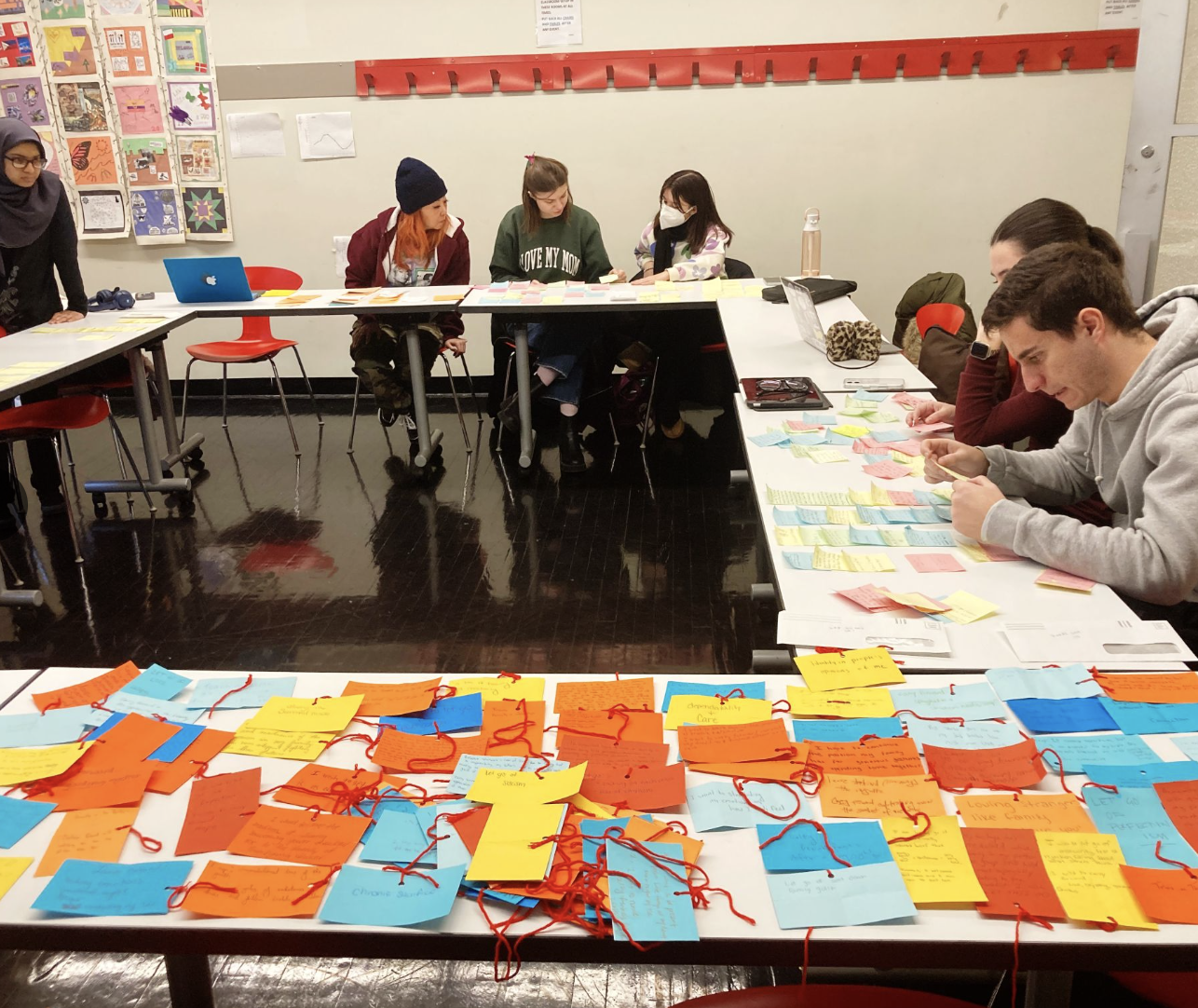
After three years of presenting the work across different geographies and communities, From Roots We Carry has entered a new phase—one focused on reflection, research, and collective sense-making. During its touring life, the project gathered hundreds of audience responses, forming a body of qualitative data shaped by memory, migration, inheritance, and care.
What do these responses reveal?
What can they teach us?
How do we honor, process, and heal from what we inherit?
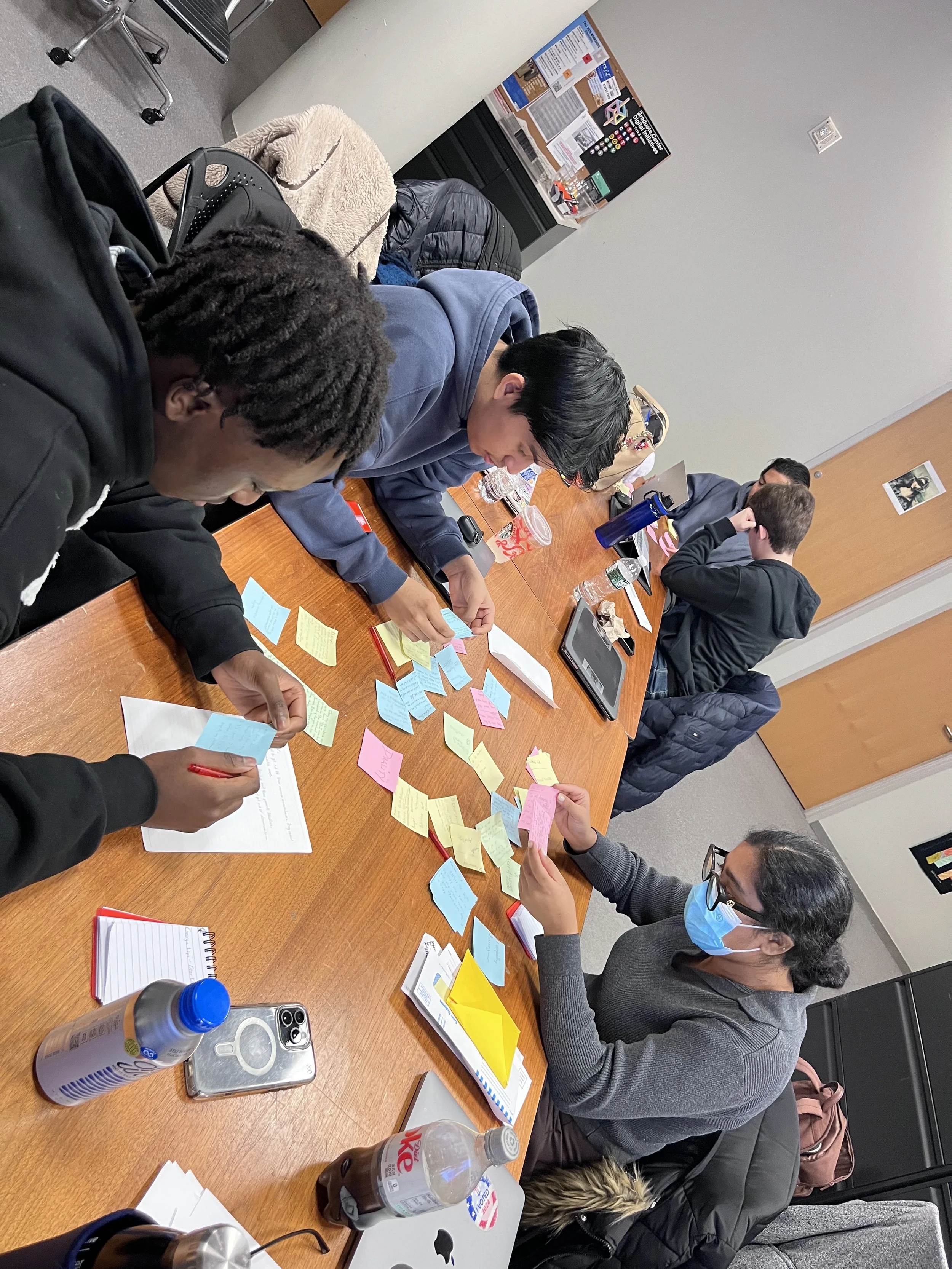
As part of this transition, we collaborated with the CUNY Graduate Center’s Data Visualization and Storytelling Intensive as guest speakers and workshop leaders, sharing From Roots We Carry as both a touring artwork and an evolving, living archive.
The workshop invited students to engage directly with the collected responses—analyzing text to identify recurring themes, emotional patterns, and shifts in language—before brainstorming ways these insights might be shared back with the public. Rather than treating data as something to be extracted or simplified, the session emphasized ethical interpretation, attentiveness to lived experience, and the responsibility of transforming personal stories into public-facing forms.
Through experimentation with creative modes of presentation, the workshop became a space to imagine how these responses might educate, resonate, and support processes of intergenerational healing—asking how data can function not only as information, but as a vessel for care, reflection, and connection.